Why Energy Efficiency Starts at Design
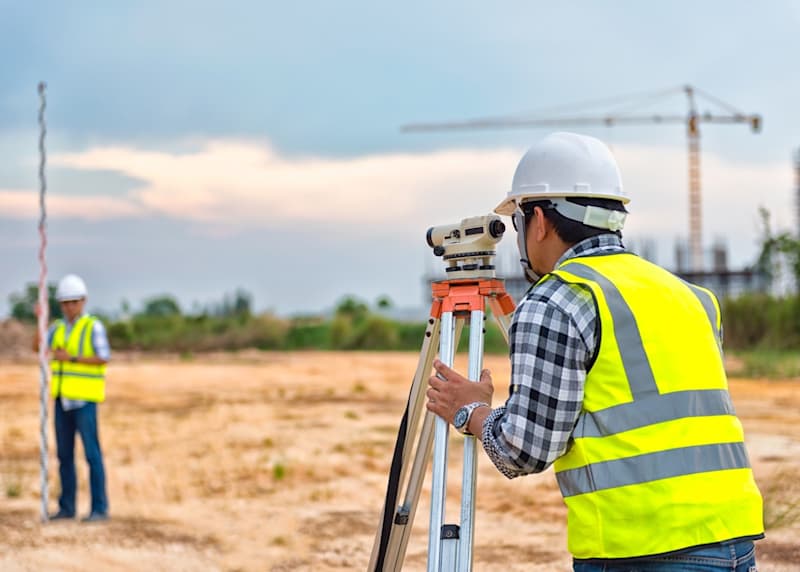
The biggest opportunities to improve your home's energy efficiency happen before construction begins. Decisions made during the planning and home design stage influence how your home performs for decades, helping reduce energy use, improve comfort and lower ongoing running costs.
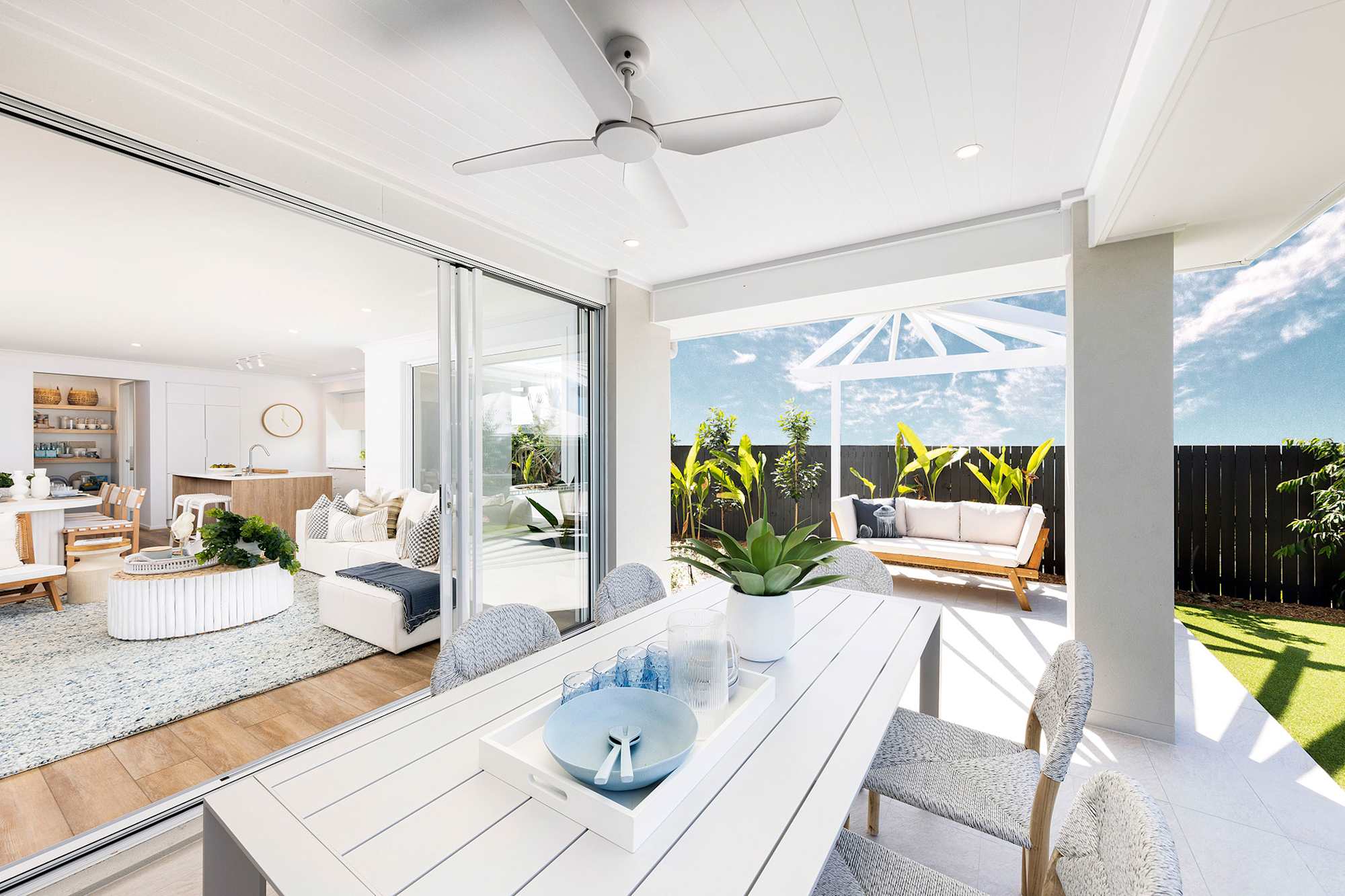
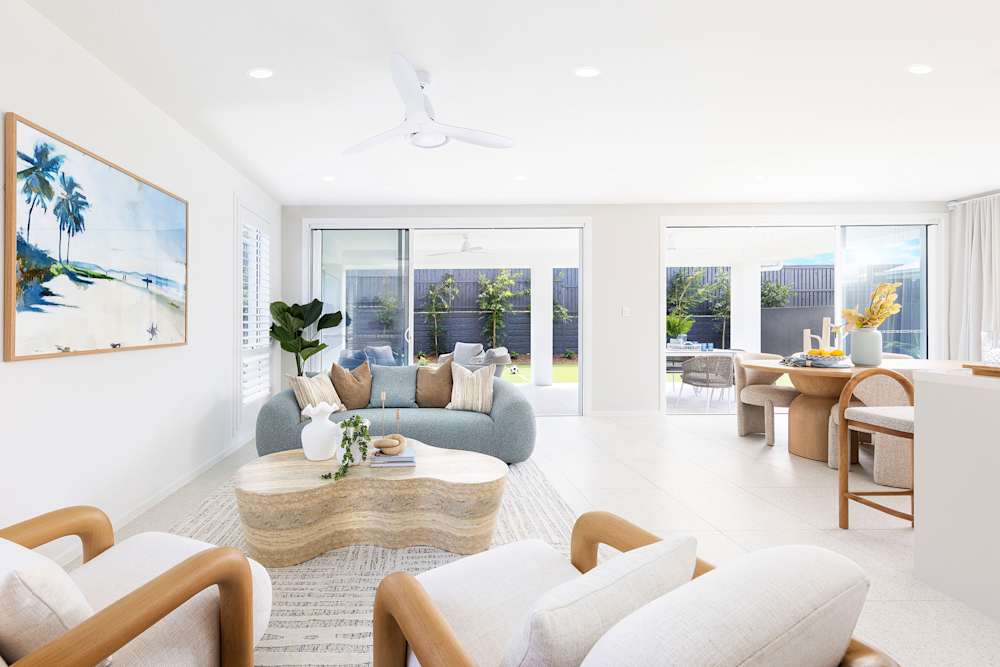
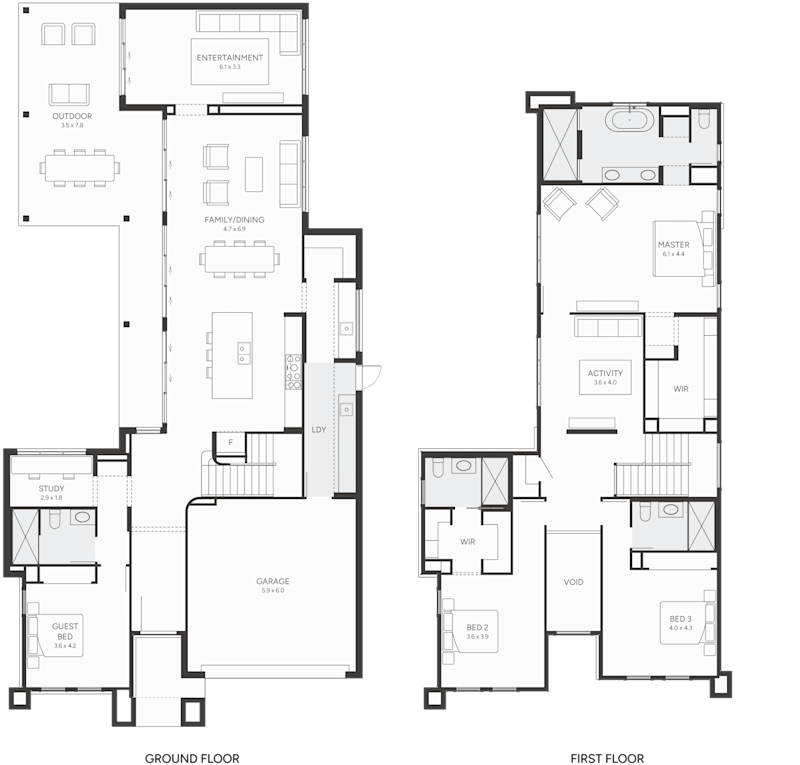
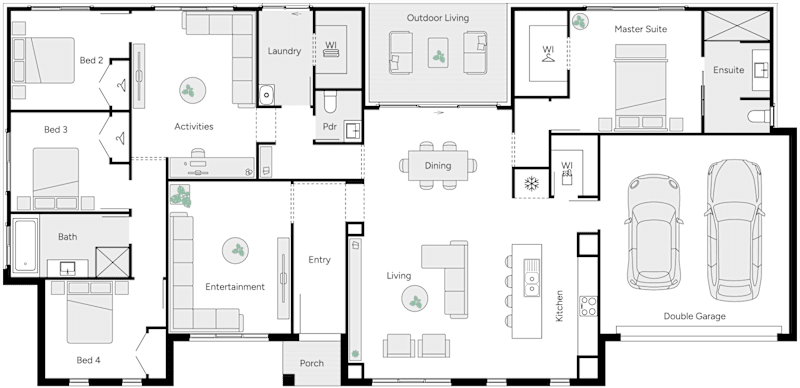
Instead of relying on artificial heating and cooling, an energy efficient home is designed to work with Queensland's climate. Careful consideration of your floor plan, home orientation, window placement and building materials allows your home to capture natural light, encourage cool breezes and maintain a comfortable temperature year round.
A well-designed energy efficient home can help you:
Reduce energy bills.
Stay cooler during summer.
Retain warmth during winter.
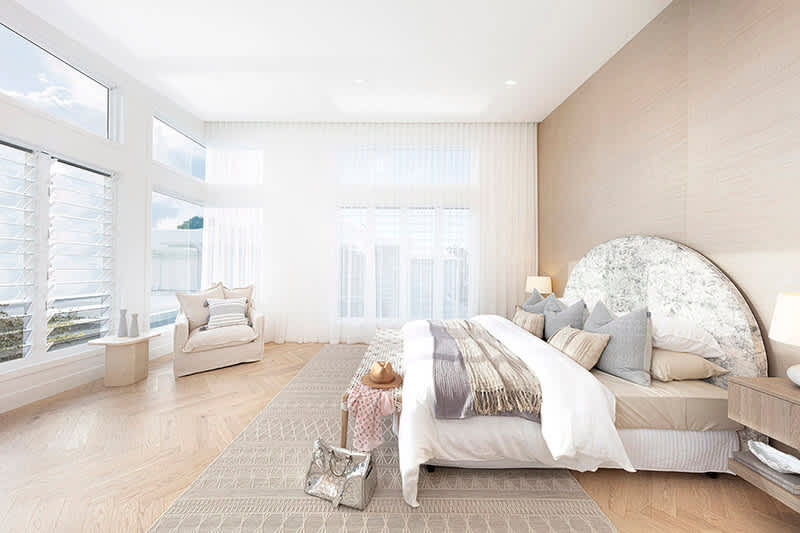
Improve natural light throughout your living areas.
Increase the long-term value of your home.
Reduce your environmental footprint.
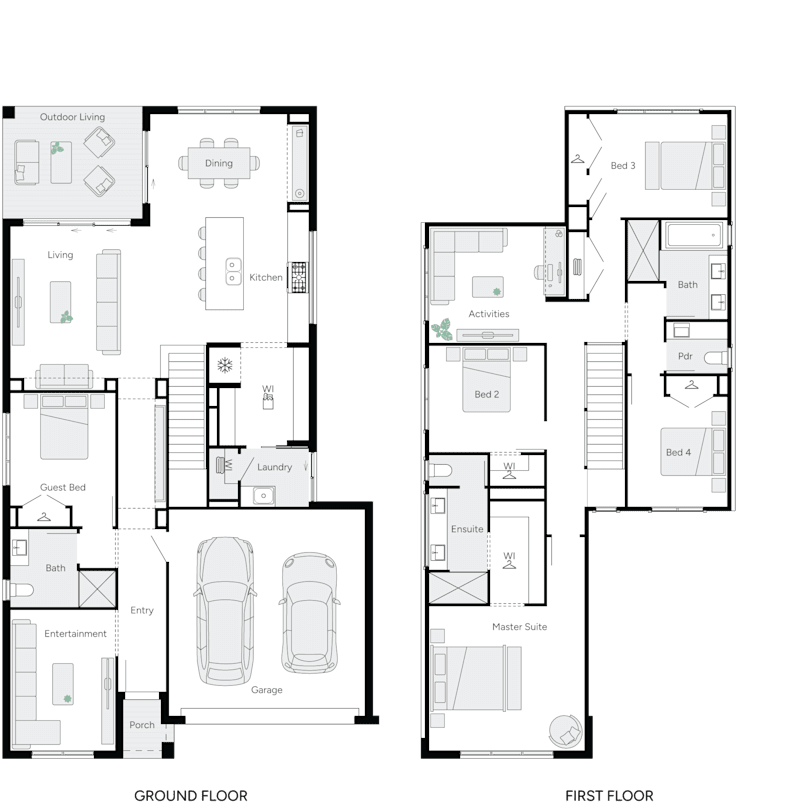
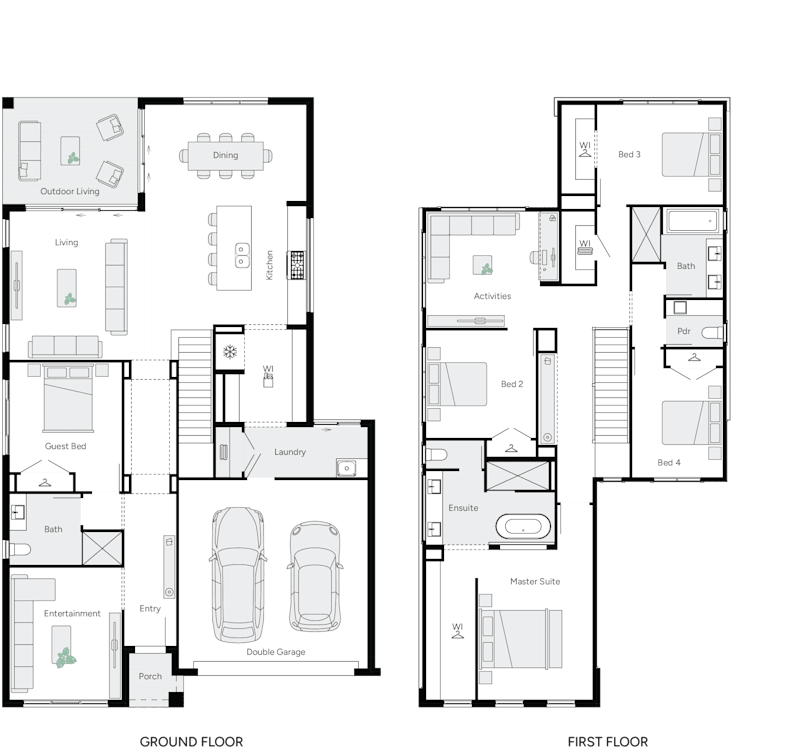
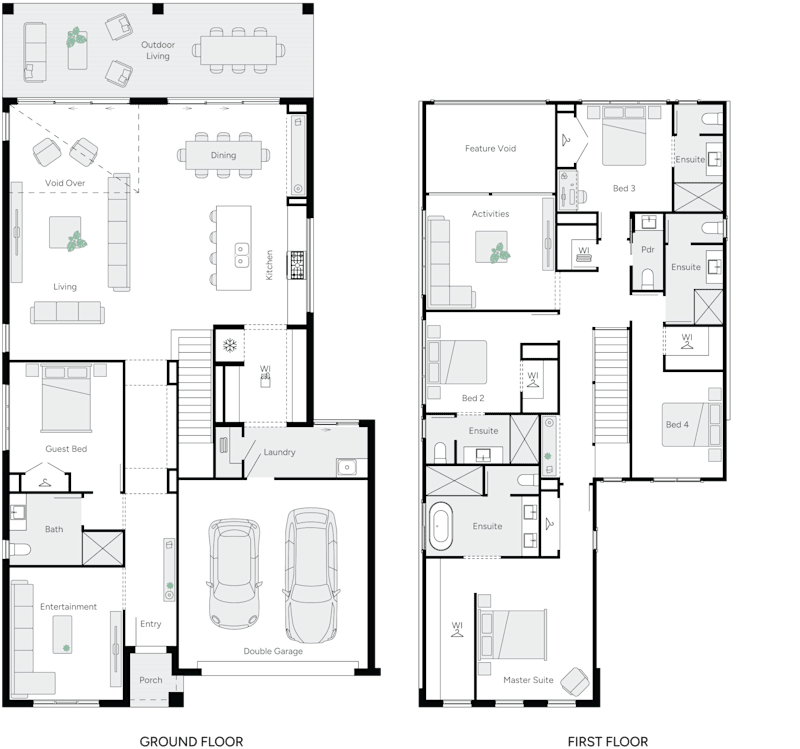
When planning your new home, it's important to consider energy efficiency from the very beginning. The orientation of your block, the position of windows and outdoor living areas, and the overall layout of your rooms all contribute to your home's thermal performance and future energy use.
As Australia's minimum energy efficiency standards continue to evolve under the National Construction Code, designing for energy efficiency from the outset helps ensure your new home is better prepared for the future while delivering greater comfort and lower operating costs from day one.
Whether you're building your first home, upsizing, downsizing, planning a knockdown rebuild or building an investment home, incorporating energy efficient design principles early provides long-term benefits that continue well beyond handover.
The Benefits of Building Energy Efficient Homes
An energy efficient home is designed to use less energy without compromising comfort or functionality. While some energy-efficient upgrades may increase the initial cost of building, they often deliver significant long-term savings through lower energy bills, reduced heating and cooling demand and improved home performance.
For example, investing in better insulation, quality windows, energy efficient appliances and solar-ready infrastructure can reduce ongoing household energy use for many years. When combined with passive design principles, these features contribute to a home that is more comfortable, environmentally friendly and less expensive to operate.
Upfront Investment vs Long-Term Savings
Rather than focusing only on the initial construction cost, it's important to consider the lifetime value of an energy efficient home.
As a simple example, an additional investment of $8,000 in energy-efficient features that saves approximately $1,000 per year on household energy bills would have an estimated payback period of around eight years. Beyond that point, those savings continue for the life of the home.
Actual savings will vary depending on your home design, household energy use and lifestyle, but considering whole-of-life operating costs provides a more accurate picture of value than upfront construction costs alone.
Additional Benefits of an Energy Efficient Home
Building an energy efficient home can also provide:
Lower energy bills through reduced electricity consumption.
Less reliance on heating and cooling systems.
Improved indoor comfort throughout every season.
Better thermal performance and natural ventilation.
Reduced environmental impact.
Increased resale appeal as more buyers look for sustainable homes with lower running costs.
Orientation & Passive Design
One of the simplest and most effective ways to improve your home's energy efficiency is through passive design. Rather than relying on heating and cooling systems to maintain a comfortable indoor temperature, passive design works with the local climate to naturally regulate your home throughout the year.
In Queensland, this means designing your home to capture winter sun, encourage natural ventilation during summer and reduce unwanted heat gain. When combined with an energy efficient home design, these principles can significantly reduce energy use while improving everyday comfort.
Choose the Best Home Orientation
The orientation of your home has one of the greatest influences on its energy performance.
Ideally, living areas should face north to maximise natural light and capture the lower winter sun, while reducing exposure to the hotter western sun during summer. Bedrooms and utility spaces can often be positioned to the east or west depending on your block and lifestyle requirements.
The right orientation can help:
Reduce reliance on artificial heating and cooling.
Improve natural light throughout the day.
Lower household energy bills.
Create more comfortable living areas year-round.
If you're still choosing a block or floor plan, our guide to Best House Orientation explains how to maximise your home's position for Queensland conditions.
Design for Natural Light and Airflow
Natural light and ventilation are essential elements of an energy efficient home.
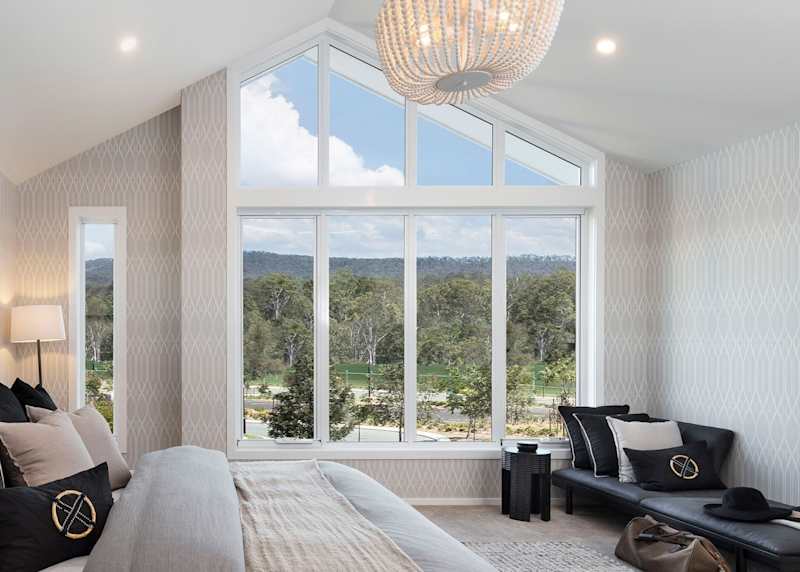
Well-positioned windows allow sunlight to warm your home during winter while encouraging cool breezes to flow through during summer. Cross ventilation helps remove warm air naturally, reducing the need for mechanical cooling and improving indoor comfort.
When designing your home, consider:
Positioning windows to capture prevailing breezes.
Locating living areas where they receive the best natural light.
Using ceiling fans to improve airflow before relying on air conditioning.
Placing windows on opposite sides of rooms to encourage cross ventilation.
These simple design decisions can significantly reduce energy use while creating brighter, healthier living spaces.
For more inspiration, read The Role of Natural Light in Modern Home Design, which explores how thoughtful window placement can improve both comfort and energy efficiency.
Manage Heat with Shading and Roof Design
Queensland's climate makes effective shading an important part of sustainable home design.
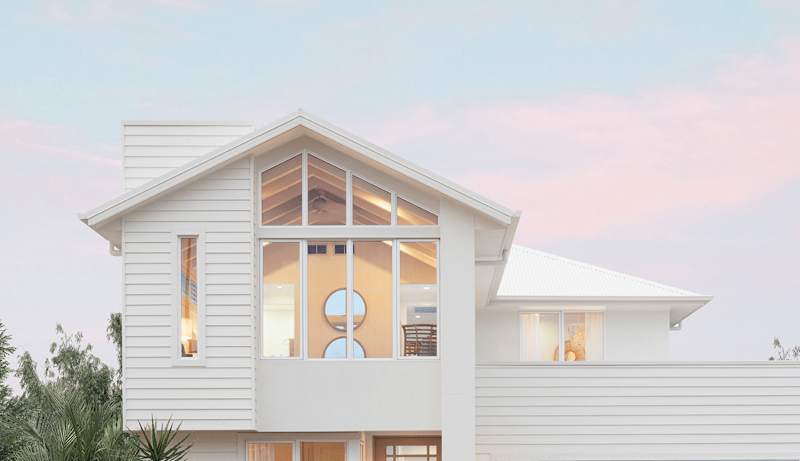
External shading devices, wider eaves and covered outdoor areas help reduce direct sunlight entering your home during summer, particularly on east and west-facing windows where heat gain is highest.
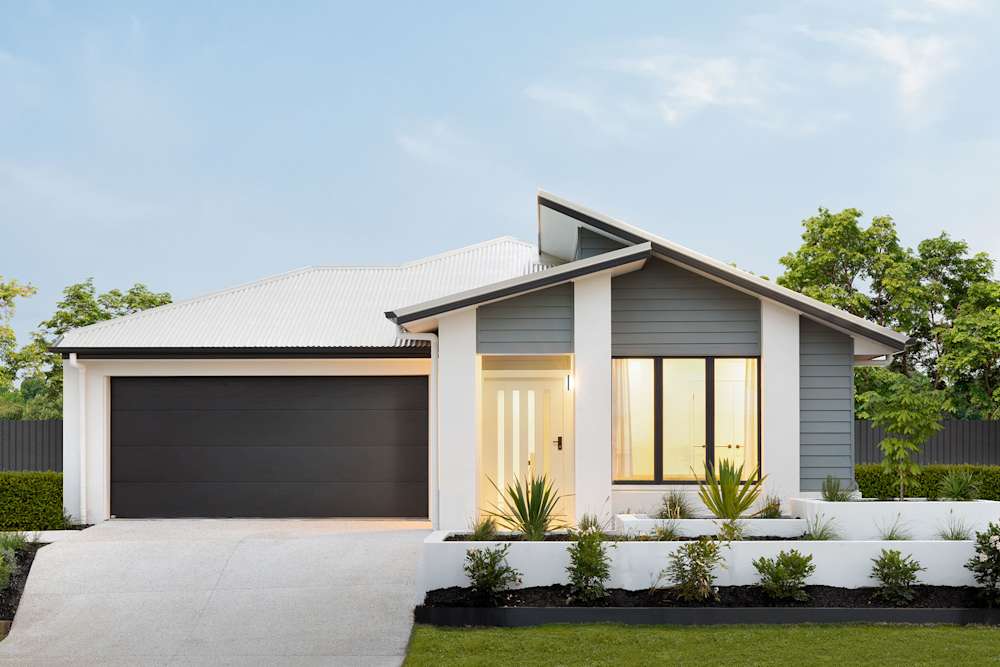
Roof design also contributes to thermal performance. The style, colour and materials used can influence how much heat is absorbed and transferred into your home.
Our guide to Most Popular Roof Types in Australia explains how different roof designs can complement both your home's appearance and overall energy performance.
Build Energy Efficiency into Your Home
Many of the biggest energy savings come from decisions that are made before construction begins. Choosing the right orientation, designing for natural light and ventilation, and carefully considering your floor plan all contribute to a home that performs better throughout every season.
By incorporating passive design principles from the outset, you'll create a home that's naturally more comfortable, uses less energy and delivers ongoing savings for years to come.
Insulation & Building Materials
Build a Home That Performs All Year Round
A well-designed home doesn't rely on heating and cooling alone to stay comfortable. The materials used during construction play a major role in your home's thermal performance, helping maintain a comfortable indoor temperature while reducing energy use throughout the year.
A high-performing building envelope combines quality insulation, well-sealed windows and doors, durable building materials and thoughtful design to minimise unwanted heat transfer. Together, these elements help keep your home cooler in summer, warmer in winter and more energy efficient for years to come.
Insulation That Works Harder
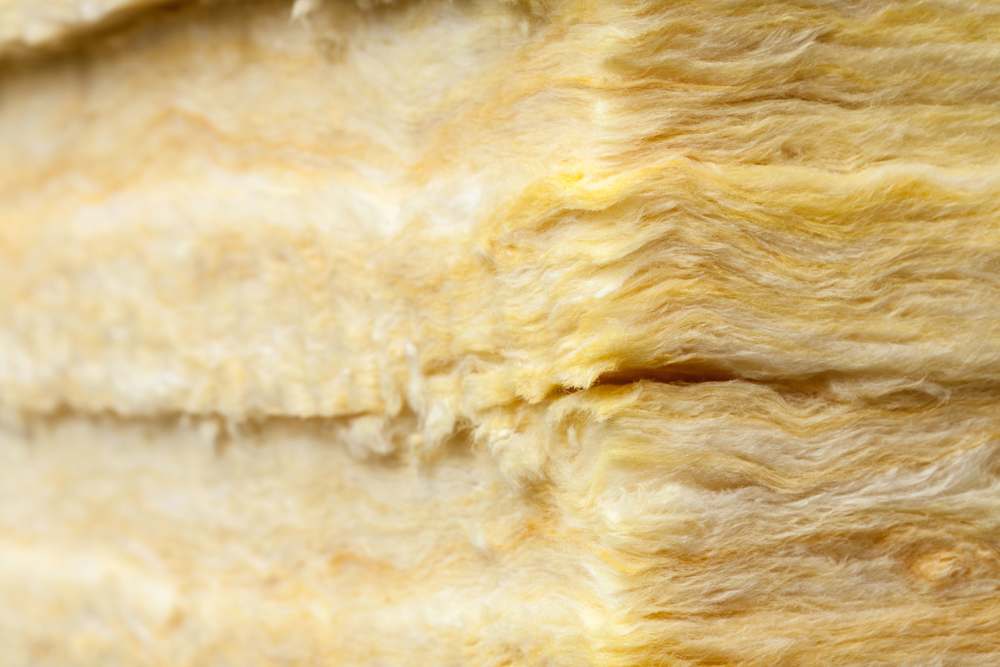
Insulation acts as a barrier between your home and the outside environment, slowing the transfer of heat through your roof, walls and floors.
Choosing the right insulation and R-values for your home can significantly improve thermal performance and reduce the need for artificial heating and cooling.
For Queensland homes, consider insulating:
Roof spaces, where most heat enters the home.
External walls to reduce heat transfer.
Floors where appropriate to improve year-round comfort.
Garages or adjoining spaces where heat can move into living areas.
When combined with good home orientation and natural ventilation, quality insulation helps create a more comfortable home while lowering ongoing energy bills.
Choose Durable, Energy-Efficient Building Materials
The materials you choose during construction can have a lasting impact on your home's comfort, durability and sustainability.
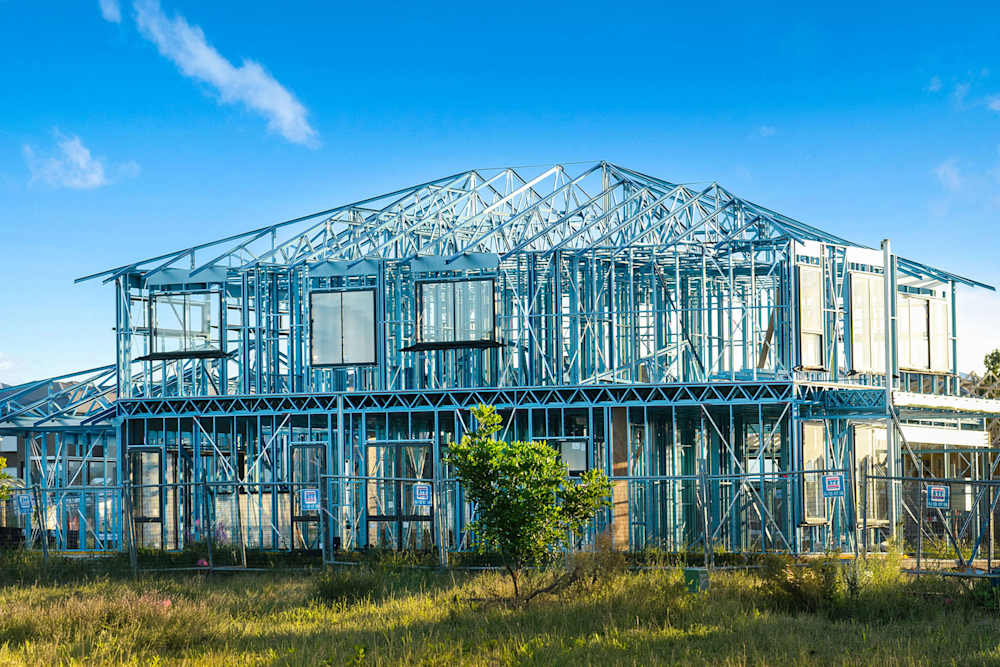
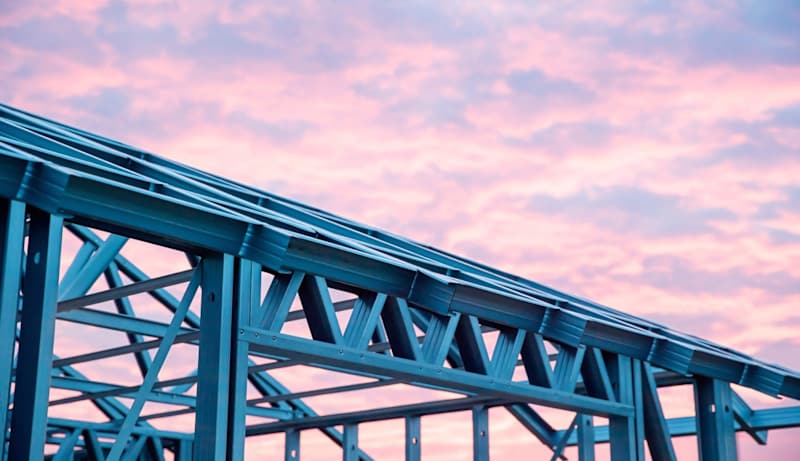
Brighton Homes builds every home using TRUECORE® steel framing, a strong, precision-engineered framing system manufactured by BlueScope. Unlike traditional timber framing, TRUECORE® steel won't twist, shrink or warp over time, helping maintain the structural integrity of your home.
Steel framing also provides consistent quality and precision, supporting better construction outcomes and long-term performance.
Learn more about the benefits of TRUECORE® steel framing and how it contributes to building a durable home designed for Queensland conditions.
You can also explore our guides to:
Renewable Energy & Solar
Generate Your Own Energy
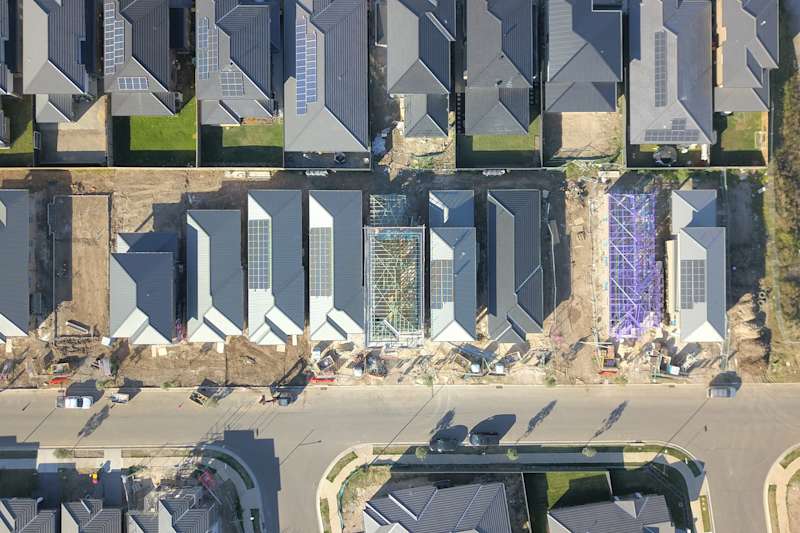
Designing an energy efficient home isn't just about reducing energy use—it's also about generating and managing energy more effectively. By planning for renewable energy during the design stage, you can lower your reliance on the grid, reduce ongoing energy bills and future-proof your home as technology continues to evolve.
Whether you install solar panels during construction or prepare your home for a future upgrade, considering renewable energy early allows your home to adapt to changing energy needs over time.
Harness the Power of Solar
Queensland's climate makes solar power one of the most effective ways to reduce household energy costs.
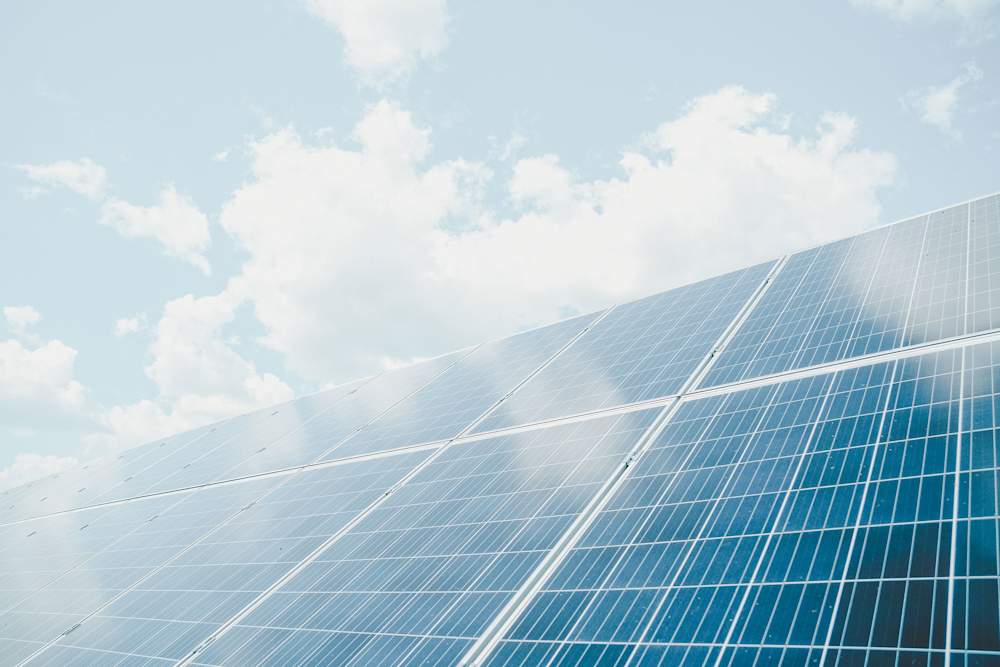
Installing solar panels allows your home to generate its own electricity during daylight hours, reducing the amount of power you purchase from the grid. Depending on your household energy use and system size, surplus electricity may also be exported back to the grid where available.
When planning a solar system, consider:
Your household's average energy use.
The size and orientation of your roof.
Potential shading from neighbouring buildings or trees.
Your future electricity needs, such as electric vehicles or home offices.
Whether you intend to add battery storage later.
Planning these requirements before construction begins can simplify future installations and help maximise your home's long-term energy efficiency.
Improve Efficiency Beyond Electricity
Heating water is one of the largest contributors to household energy use, making it another important consideration when building an energy efficient home.
Installing a heat pump hot water system can significantly improve efficiency by using ambient air to heat water rather than relying solely on electricity. Combined with solar power, this can further reduce ongoing operating costs while supporting a more sustainable home.
Your Building and Design Consultant can help you understand which energy-efficient systems best suit your lifestyle, household size and long-term goals.
Build for the Future
Renewable energy is becoming an increasingly important part of modern home design. By planning for solar power, battery storage and smart energy management during the design stage, you'll create a home that's ready for future technology while helping reduce energy bills for years to come.
To learn more about Brighton's renewable energy solutions, explore our Solar Power page and discover how solar can become part of your new home from day one.
Energy Efficient Appliances & Smart Homes
Smarter Choices for Everyday Living
The appliances and technology you choose can have a significant impact on your home's overall energy efficiency. While passive design and quality building materials reduce the need for heating and cooling, energy-efficient appliances and smart home technology help minimise everyday energy use without compromising comfort or convenience.
By selecting appliances with high energy ratings and incorporating smart automation where it makes sense, you can reduce running costs while creating a home that's easier to manage and more sustainable over the long term.
Improve Efficiency Beyond Electricity
Heating water is one of the largest contributors to household energy use, making it another important consideration when building an energy efficient home.
Installing a heat pump hot water system can significantly improve efficiency by using ambient air to heat water rather than relying solely on electricity. Combined with solar power, this can further reduce ongoing operating costs while supporting a more sustainable home.
Your Building and Design Consultant can help you understand which energy-efficient systems best suit your lifestyle, household size and long-term goals.
Build for the Future
Renewable energy is becoming an increasingly important part of modern home design. By planning for solar power, battery storage and smart energy management during the design stage, you'll create a home that's ready for future technology while helping reduce energy bills for years to come.
To learn more about Brighton's renewable energy solutions, explore our Solar Power page and discover how solar can become part of your new home from day one.
Energy Efficient Appliances & Smart Homes
Smarter Choices for Everyday Living
The appliances and technology you choose can have a significant impact on your home's overall energy efficiency. While passive design and quality building materials reduce the need for heating and cooling, energy-efficient appliances and smart home technology help minimise everyday energy use without compromising comfort or convenience.
By selecting appliances with high energy ratings and incorporating smart automation where it makes sense, you can reduce running costs while creating a home that's easier to manage and more sustainable over the long term.
Make Your Home Smarter
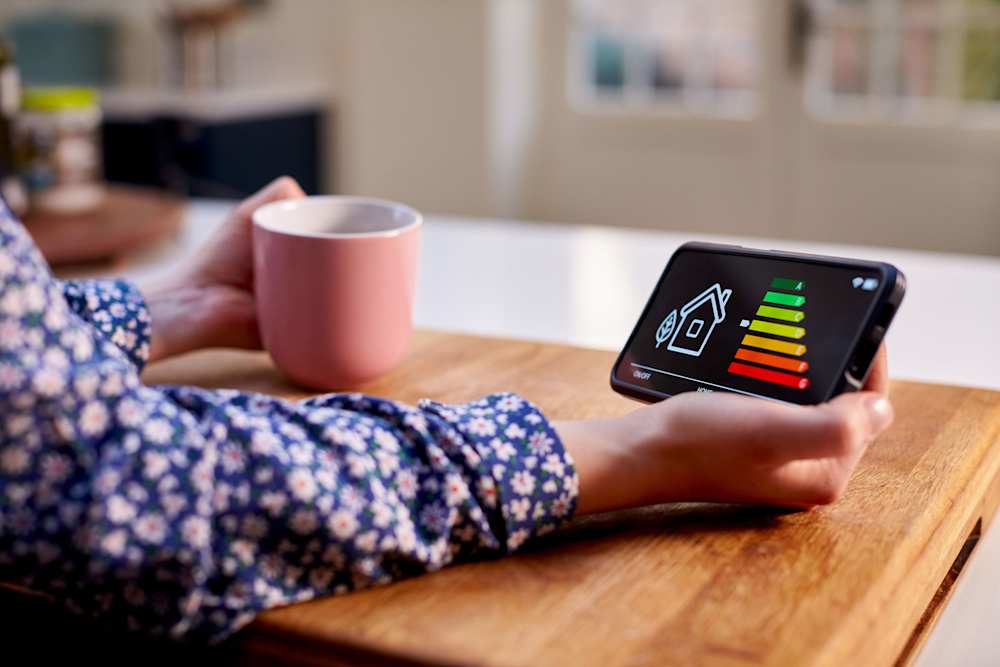
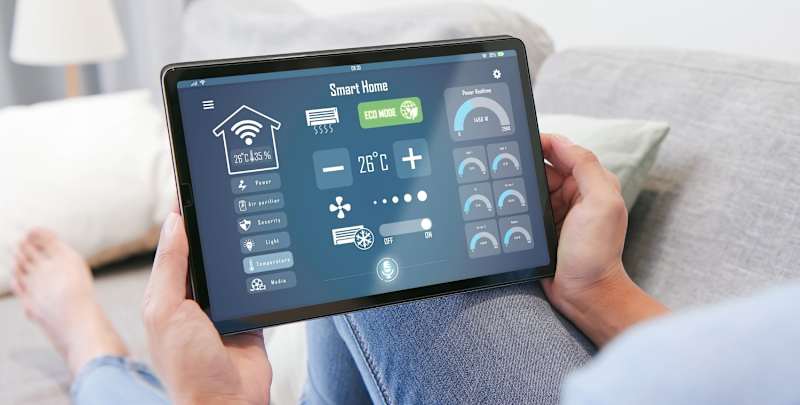
Smart home technology allows you to monitor and manage your home's energy use more efficiently.
Features such as smart lighting, programmable thermostats and connected appliances give you greater control over when and how energy is used, helping reduce unnecessary consumption.
Popular smart home features include:
Smart lighting schedules and automation.
Programmable air conditioning and climate control.
Smart plugs to reduce standby power.
Energy monitoring through mobile apps.
Automated timers for outdoor lighting and appliances.
These systems can improve convenience while helping you better understand and manage your household energy use.
An energy efficient home isn't achieved through one product or technology alone. It comes from making smart decisions throughout the entire design process—from your home's orientation and insulation through to the appliances and lighting you use every day.
By selecting efficient appliances and integrating smart home technology during the planning stage, you'll create a home that's more comfortable, more convenient and less expensive to operate.
Landscaping & Site Works
Design Your Landscape for Long-Term Efficiency
An energy efficient home extends beyond the walls of the house. The way you design your outdoor spaces can have a significant impact on indoor comfort, water consumption and the overall performance of your home.
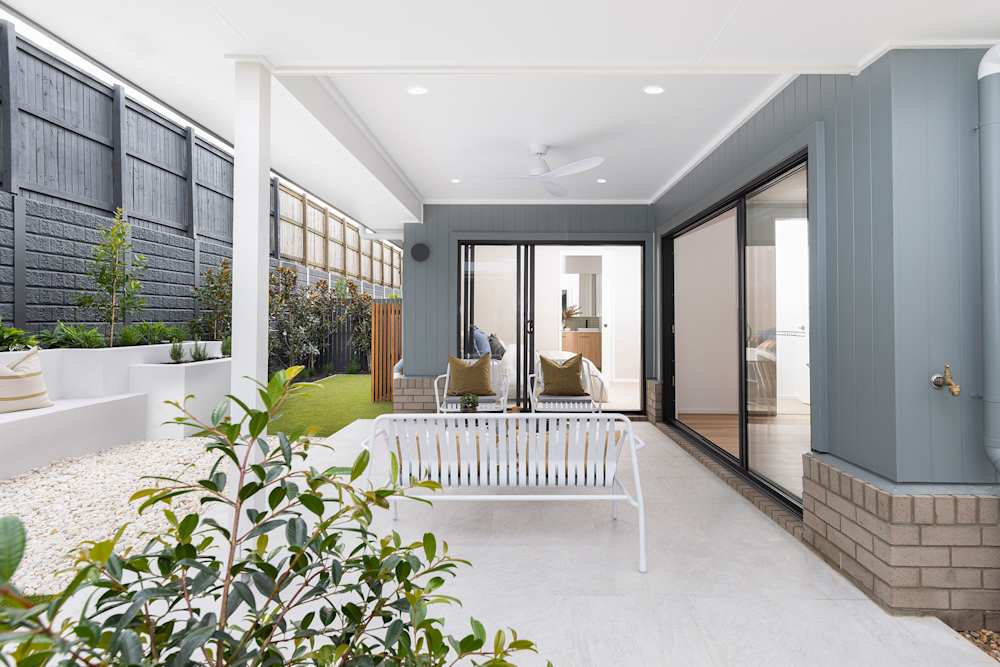
Thoughtful landscaping can provide natural shade, improve airflow, reduce heat around your home and minimise water use. When considered alongside your home's orientation and passive design, your landscape becomes another important part of creating a comfortable, sustainable home for Queensland living.
A Sustainable Home Starts from the Ground Up
A well-designed landscape works together with your home's orientation, building materials and passive design principles to create a more comfortable and sustainable place to live.
By selecting the right plants, reducing water consumption and designing outdoor spaces that work with Queensland's climate, you'll create a landscape that not only looks great but also supports the long-term performance of your home.
Looking for inspiration? Explore our guide to 16 Drought Hardy Plants for a Low-Maintenance Garden to discover plants that combine year-round appeal with lower water requirements. If you're creating privacy or defining outdoor spaces, our guide to the Best Hedging Plants highlights hardy options that perform well in Queensland gardens.
Why Build with Brighton
Building an energy efficient home is about more than adding solar panels or choosing efficient appliances. It starts with the right home design, quality construction and a builder who understands how Queensland homes need to perform.
Brighton Homes combines local experience, practical design and carefully selected materials to create homes that support year-round comfort, lower energy use and long-term value.
Built for Queensland's Climate
Queensland homes face hot summers, strong sun and periods of high humidity, so good design needs to respond to the local environment.
Brighton’s energy efficient home designs consider:
Natural light and airflow.
Window placement and shading.
Functional living areas.
Insulation and thermal performance.
Indoor-outdoor connections.
Materials suited to Queensland conditions.
These elements work together to reduce reliance on artificial heating and cooling while helping maintain a comfortable temperature year round.
TRUECORE® Steel Framing
Brighton Homes builds with TRUECORE® steel framing, providing strength, precision and durability. Steel framing does not twist, shrink or warp over time, supporting a more consistent structure and helping maintain the integrity of walls, doors and windows.
When combined with quality insulation, effective sealing and thoughtful home design, TRUECORE® steel framing forms part of a high-performing building envelope designed for long-term comfort.
Learn More About TRUECORE® Steel
Solar-Ready Options
Planning for solar during the design stage can make installation simpler, more cost-effective and better integrated into your home. By considering roof orientation, available roof space, electrical requirements and future battery storage early in the design process, you can create a home that's ready to take advantage of solar power as your energy needs evolve.
Your Building and Design Consultant can also discuss smart inverter technology and future-ready infrastructure to help ensure your home is well positioned to generate more of its own energy and reduce reliance on the grid over the long term.
Explore Solar Power Options
Helpful Tools and Resources
Home Design & Construction
Regulatory Guidance and Standards